
Make AI sound like you.
You gave it the brand guidelines. The draft still sounds wrong. Here is a practical starting point for ChatGPT, Claude and the team using them.
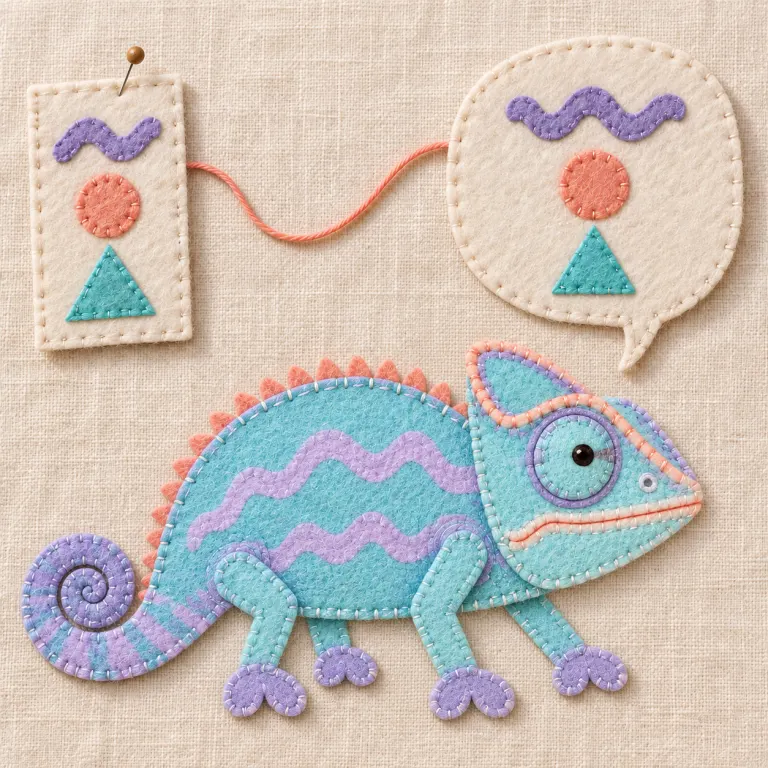
Give ChatGPT or Claude your approved brand decisions, examples and claim limits in a shared project. Tell it how to use them. Then test the setup on a real brief before the rest of the team relies on it.

You have already written “make it sound more like us” three times. The sentences get shorter. A few adjectives disappear. The draft still could have come from your competitor.
That is a frustrating place to land after buying a capable tool and giving it the brand guidelines. It is also a useful clue. The problem may be what the guidelines leave unsaid.
The missing part is often a decision
“Confident. Human. Expert.” Those words leave plenty of room for interpretation. Your best people know what they mean here. They know which customer worry to lead with, which promise would overreach, and why that perfectly reasonable headline is wrong for this company.
Put those decisions into words. Keep the brand book. Add the judgment your team has been supplying from memory.
For the first job, gather only what will change the result:
- Who the buyer is and what they need to decide.
- Why they should choose you, with the evidence you can use.
- A strong example, a rejected example, and the reason for each.
- The next step you want the reader to take.
Give each source an owner and an approval date. Resolve conflicting promises before asking the model to choose between them. It cannot know which version won the meeting.
Set up a place the team can return to
In ChatGPT, create a Project, add the approved reference files, and put the working rules in Project settings. Project instructions apply inside that project. Share it with the people doing the work and check their access. OpenAI's setup guide explains the available sharing controls.
In Claude, create a Project, add the references to project knowledge, and set project instructions. Team and Enterprise plans support sharing projects with colleagues. Claude's project guide explains those options.
Both give your brand guidance a place to live alongside the work. They have different memory, sharing and file limits. The practical rule is the same: put approved decisions in the references and instructions, rather than relying on a correction buried in somebody's chat.
Here is a starting instruction you can adapt:
Use the approved brand references for this project. Before drafting, identify the buyer, the promise, the evidence and the next step. Show me which references support them. If a fact is missing or the sources conflict, flag it. Do not invent a customer result or strengthen a claim. Write the draft, then explain any choice that needs my judgment.
Use your company's approved workspace and sharing rules. Start with material the people in that project are allowed to see.
Try it on one piece of work
Give the draft something to say.
A vague brief
“Keep your business moving with unmatched expertise.”
The buyer still has to ask what you do.
With the decisions supplied
“Need a replacement part? Send us your equipment model and part number. We'll confirm the match before we quote.”
A specific action. A commitment the supplier can keep.
The buyer
A maintenance manager looking for a replacement part.
The approved promise
Check the part against the equipment details before quoting.
The next step
Send the equipment model and part number.
The improvement is easy to judge: the buyer knows what to do, and the supplier has made only the commitment it approved.
Run your own brief through the project. Check the sources the model names. Ask someone who knows the customer to read the draft. Would they recognize the company with the logo removed? Is every promise supported? Can the buyer see the next step?
Fix the source of the next bad draft
If the draft invents a claim, tighten the evidence and the instruction. If it is accurate but lifeless, add a stronger example and explain why it works. If the positioning is unclear, make that decision with the team. Another prompt will not settle it for you.
Once a correction is approved, update the shared source and remove its outdated replacement. Start a fresh chat and run the brief again. Ask a colleague to try a different brief. Keep a short record of the edits you still had to make; it will show you what the setup needs next.
This is the work behind a Brand Brain: making your team's approved judgment usable in the tools where work happens, with your company keeping ownership. As the work grows, it can include design standards and repeatable methods for campaigns, proposals and other recurring jobs.
Where this comes from.
-
Product documentation
OpenAI · Projects in ChatGPT
Supports project files, project instructions, and sharing controls. It is not used as evidence of output quality.
-
Product documentation
Anthropic · What are projects?
Supports project knowledge, project instructions, and Team and Enterprise sharing. It is not used as evidence of output quality.
-
Product documentation
Anthropic · How can I create and manage projects?
Supports the setup steps and keeps project memory distinct from the article's narrower claim about shared instructions and references.
You can start with the next brief on your desk.
If you would like to work through it together, Boost is a paid 90-minute working session in Claude, using your own work to explore what is useful.
Explore Boost →